The popularity of Canadian e-pharmacies among American customers is beyond all doubt. Northern Neighbors offer a wide range of Rx drugs, and US nationals spend a good deal of money to have the medications delivered across the border. Let us examine the most typical questions about online Canadian pharmacies.
1. How Can I Understand Which Canadian E-Pharmacies Are Swindlers?
“Those pharmacies which obtained authentication with PharmacyChecker.com (Certified Canadian International Pharmacy), prove to be a supplier of veritable medicines. Swindlers usually sell drugs without prescriptions, do not disclose their identity and location. Rogue websites make semblance to genuine Canadian drug stores by displaying CIPA. First you should check with CIPA list of accredited pharmacies to by-pass the fraudulent ones. Avoid using websites present in PharmacyChecker.com list of swindlers.”
2. Can I Buy with Canadian Online without Prescription?
“Credible Canadian pharmacies can sell by prescription only. The OTC drugs may be sold without physician’s orders.”
3. Does Canada Carry out Verification of Pharmaceutical Products and How?
“A branch of federal government, Health Canada regulates medicines. According to federal law, a regulatory review of new medication must be submitted by pharma enterprises. Around fifteen thousand human and vet medicines have been placed in Drug Product Database of Canada.”
4. What Documentation Is Required to Prove Legitimacy and Reputation of Canadian Pharmacies?
“Reputation of Canadian e-pharmacies should be approved by CIPA via passing its Checker program of pharmacy verification. The legal status of pharmacies is accredited by British Columbian pharmacies and College of Pharmacists of British Columbia. Seals of certificates are available on Canadian pharmacy site.”
5. Are US Prescriptions Accepted by Canadian Online Pharmacies?
“In order to get important prescription, millions of Americans make use of International Pharmacies. This is very helpful to find a way to get more consumer-grade medications.”
6. Can I Get a Valid Drug in Case I Use a Not-Requiring-Prescription Canadian Pharmacy?
“Do not trust in swindling pharmacies for the sake of your safety. There is a high risk of obtaining counterfeit or expired medicines.”
7. How Can I Have My Written Prescriptions Filled for Canadian Online Pharmacy?
“First, you will need to e-mail or fax the original prescription. Look for the important information on any accredited website of Canadian Pharmacy.”
8. How and Which Way Does Canada Carry out Verification of Its Pharmacies?
“From 1998 onwards, Canadian pharma company must have a license for establishment in order to have right to manufacture, import, test, wholesale, pack, brand, distribute a medicine. Both federal and peripheral pharmacy stores take the unified regulatory responsibility. NAPRA is helpful with recommended standards.”
9. Is Tax on Sales Added to My Purchase?
“Canadian online pharmacies do not add taxes on prescriptions they sent to the USA.”
10. Can Canadian Pharma Industry Be Compared in Size with Some Other Countries?
“Being the world’s 14 biggest economy, Canada takes eighth place in the area of pharmaceuticals. In 2014, the USA has acquired around 75% of Canadian medicine exports. Canada is close on the heels of Spain, Chana and America on pharmaceutical market.”
11. Can I Buy Controlled Substance at Canadian Pharmacy Online?
“According to CIPA, its members are not allowed selling controlled substances (including with prescription available). These are addictive controlled drugs, such as BNZ.”
12. Is There a Limit on Prescriptions Quantity in Canadian Pharmacies?
“Your order must coincide completely with your attending doctor’s prescription. CIPA department for patient safety restricts prescription drugs supply up to 90 days per drug. In case a doctor’s order includes 1 year supply, Canadian online pharmacy may ship every 3 months.”
13. Can I Buy a Special-Purpose Medication from Canadian Pharmacy?
“According to the statistics, Canadian pharmacy regulars more often prefer medicines treating chronic diseases. The most popular among them are medications for depression, schizophrenia and psychosis, asthma, enlarged prostate, bipolar disorder, menopause, erectile dysfunction, COPD, blood clots, nasal allergies.”
14. Does Canadian Online Pharmacy Control the Quality of Sold Drugs?
“Before authorization of Canadian prescription, pharmacies have to obtain the review of patient data by a Canadian specialist. Credentialed Canadian pharmacies always have a licensed review of a physician and co-sign it before shipment. Before distribution a medical expert verifies and confirms every single order.”
15. Has Canada contributed to Medicinal Innovations and Scientific Developments?
“Research studies in the area of health care comprise up to thirty thousand of researchers in sixteen schools of medicine, more than hundred affiliated hospitals and research and development establishments. Canadian medical experts acquired universal recognition in the sphere of protein engineering, medical devices, genomics, regenerative medicine, immune therapy, etc. A lot of great discoveries were made in Canada, starting from 1st blood thinner on out to clinical trials of the 1st HIV preventive vaccine.”
16. Do Canadian Online Pharmacies Work Extra-Hours?
“The whole procedure of service, processing of orders and delivery will be different in each pharmacy. But generally, Canadian online pharmacies work twenty-four – seven. Find the information on the appropriate websites.”
17. Can I Order Prescription Refill?
“CIPA department for patient safety restricts prescription drugs supply up to 90 days per drug. In case a doctor’s order includes 1 year supply, Canadian online pharmacy may ship every 3 months until the expiration date of the prescription. From then on, you’ll need a new prescription from your physician. In case a prescription doesn’t provide for refills, contact your physician. Do not forget to visit your selected pharmacy site to make sure you follow the refill instructions correctly.”
18. Can I Rely upon Canadian Online Pharmacies and Quality of the Products Ordered There?
“Certified Canadian International Pharmacy and Canadian International Pharmacy Association check credibility of online pharmacies. Check to make sure that this or that Canadian Pharmacy is trustworthy.”
19. How Can I Compare the Prices for Each Drug Bought from a Canadian Pharmacy with US prices?
“Check individual drug store websites. Some of them show the collation of US and Canadian prices for the most popular medicines. There are pharmacies informing you of possible savings on percentage or dollar terms. This comparison will give you extensive knowledge of how you may save a great deal of money!”
20. May the Canadian Pharmacy Drugs be Shipped from Another Country?
“In order to have fulfillment centers abroad, a CIPA-accredited Canadian pharmacy should get an approval from their controlling entities. These entities source medicines from difference countries, such as the UK, Canada, Turkey, New Zealand, Australia, India and the USA. The products may be delivered from these of other diverse locations.”
21. Is It Possible to Compare Prices between Different Canadian Online Pharmacies?
“Check eDrugSearch.com or PharmacyChecker.com.”
22. Is It Secure to Order from Canadian Online Pharmacies?
“com list of verified e-pharmacies. Each safe online pharmacy should provide all financial operations information via encryption technology to protect your privacy.”
23. Can I Talk to Canadian Online Pharmacy Specialist Instead of Browsing the Website?
“Visit a Contact Us page containing phone numbers in order to contact our representative via phone. Moreover, our specialists are available beyond traditional business hours: 24/7. com always checks if a pharmacy places the telephone numbers on its website.”
24. Is an E-Pharmacy Credible If It Keeps Sending Me Spam Emails?
“CIPA warns you not to apply to swindler sites contacting you via mail and directing to the websites named drugs5.com, Canadian Health, Care Mall, and etc. These websites fall into disrepute among customers.”
25. How Can I order Rx Drugs from a Canadian Online Pharmacy?
“Each site has an explanation and terms of ordering Rx drugs online. In order to provide maximal convenience for their customers, a customer may select among various methods, such as mail, telephone, fax, etc.”
26. Are Drugs Prices in Canada Lower Than in the USA?
“Under governmental control (Patent Medicine Prices Review Board), the cost of Canadian drugs is kept down. Since the living standard is around 25-30% is lower in Canada than in the USA. In comparison with American pharmaceutical companies, Canadian establishments have a decreased liability insurance rate.”
27. Where Can I Find Canadian Online Pharmacies Rating?
“Please, check the following recourses: Canadian Drug Talk, com, PharmacyChecker.com, PriceGrabber.com.”
28. What Currency Is Used by Canadian Pharmacies: Canadian or U.S. Dollars?
“Americans may purchase drugs from Canadian online pharmacies in U.S. dollars.”
29. What Is the Difference between Canadian Medications Prescriptions and the U.S. ones?
“Licensed Canadian online pharmacies sell the drugs which are therapeutically and chemically analogous to the ones in America. They only differ in price and package. Since the packaging requirements are different in various countries. Canadian manufacturers produce generic drugs according to Canadian strict standard.”
30. After I Order from Canadian Pharmacy, Will It Send Me Spam Mails with Info about Other Unneeded Drugs?
“Credential e-pharmacies never send unwanted e-mails with advertisement, which is prohibited by internal and federal policies of Canada. You may choose whether you opt in or out of marketing mails.”
31. What Are the Benefits for U.S. Nationals from Ordering from Canadian Online Pharmacies?
“Americans receive flawless delivery of authentic medications at a price as 49,5% lower as offered by American pharmacies. Service is available 24/7. Online service allows avoiding long queues in offline drug stores. Plus, the private information is securely protected.”
32. How Can I Check Canadian Online Pharmacies Reviews?
“Please, follow the following links and find there the customer feedback section: com, eDrugSearch.com, PriceGrabber.com.”
33. What Kinds of OTC Drugs Can I Buy from Canadian Online Pharmacies?
“Over-the-counter medicines are generally used for treatment of sinuses and allergy, such as pain relief, sleeping pills, sore throat, flu, cold, etc.”
34. How Can I Make Sure I Order Authentic Medications and Not the Fraudulent Ones?
“State policy of medications manufacturing in Canada has strict production requirements absolutely corresponding with American standards. So, you may rest assured you receive the identical drugs to the U.S. ones. Only packages may differ.”
35. Can I Purchase Medicines Which Are Not Listed on Canadian Pharmacy Website?
“In case you haven’t found the required medication on a site of Canadian e-pharmacy, email or call to its customer support service. Its representative will inform you of the availability of the drug.”
36. How Much Money Can I Save from Ordering Via Canadian Online Pharmacy?
“According to PharmacyChecker.com, you savings may reach the indicator of 90%.”
37. What Are Best-Sellers Purchased Via Canadian Online Pharmacy?
“Most frequently, Americans tend to order Plavix, Actos, Lipitor, Actonel, Viagra, Cialis, Abilify, Prevacid, and Spiriva.”
38. Why Are the U.S. Medications So High-Priced?
“American pharmaceutical business continues prospering. The prescription medicines from the USA are more expensive than the ones distributed in any other developed country.”
39. Can I Order Pet Medicines from Canadian Online Pharmacies?
“Most accredited Canadian e-pharmacies have a wide range of OPC, generic or branded drugs for pets at affordable prices. Check their availability on your selected Online Canadian Pharmacy website.”
40. What Benefit Can I Get from Purchasing Viagra Via Canadian Pharmacy?
“Your saving may be equal to 90%. Viagra is a well-known remedy for erectile dysfunction which may be found on each Canadian Pharmacy website.”
41. Does Viagra Have Any Undesired Effects?
“Generally, a patient may experience blushing, headache, gastric indigestion, blurred vision which will disappear shortly. But in case you feel nauseous, chest pain or discomfort during sexual intercourse or its lasting more than 4 hours, seek immediate medical attendance.”
42. What Are OTC Top-Selling Medications?
“Americans consider the best-seller among OTC drugs to be Nicorette, Zyrtec and Centrum Select vitamins.”
43. What Are Viagra’s Components?
“The active substance of Viagra is sildenafil which is a PDE5 inhibitor. The auxiliary agents of Viagra are: calcium phosphate, microcrystalline cellulose, magnesium stearate, croscarmellose sodium, titanium dioxide, hypromellose, triacetin, lactose, and FD and C Blue #2 aluminum lake.”
44. Can I Buy Generic Viagra from Canadian Online Pharmacies?
“Many Canadian e-pharmacies offer generic Viagra in different forms, quantities and price rage.”
45. What Is the Difference between Generic Viagra and Original Viagra?
“Both medications contain the sale ingredients, although their proportion may be different. The overall effect is similar. Moreover, generic Viagra costs much lower than the original variant.”
46. Can I Save More from Ordering Nexium from Canadian Pharmacies Online?
“According to the statistics, the average rate of savings is equal to or over 70% (in comparison with American pharmacies). com indicates the savings rate as high as 90%. Nexium inhibits a proton pump reducing the quantity of acid produced by stomach.”
47. Is It Possible to Order Crestor from Canadian Online Pharmacies?
“Moreover, you may save up to 84% from Crestor or its generic, Rosuvastatin ordering from Canadian e-pharmacies.”
48. Is Cialis Available at Canadian Online Pharmacies?
” You may purchase wither original Cialis or its generic in order to save 93% in comparison with average U.S. prices.”
49. Can I Buy Actonel from Canadian Online Pharmacies?
“You are able not only to buy Actonel, but also to save 85% on this purchase. Moreover, its generic, risedronate is available at Canadian e-pharmacies stocks. Actonel is very efficient in prevention from bone formation and breakdown cycle altering.”
50. Is It Possible to Purchase Spiriva Via Canadian E-Pharmacies?
“Without a doubt. Spiriva and its generic obtained from Canadian online pharmacies will allow you saving around 94% on both Spiriva variants. This drug will help you breathe better.”

A lot of doctors say that sometimes it is enough just to change your way of living to resist impotency. Therefore, men can avoid an expensive and continuous treatment just having changed their way of living to the more healthy. 
• Smoking cessation;
• Regular physical training;
• Correct plan of day and diet;
• Reduction of the alcohol consumption.
These are the simple things everyone talks about but also usually ignore. The problem is that it all gradually accumulates and then the problems with health, including those with sex, start.
Impotency and smoking
This is the bad habit that does no good. It may be very difficult to quit smoking, but the result is worth it. One can try different methods that are recommended for each person on the individual basis.
The most effective method is to reduce the amount of cigarettes daily (to have the fixed amount in the box), trying to avoid the places where people smoke, refuse the cigarette breaks.
It is necessary to quit smoking completely with time, and in the moments you want to smoke one should find some alternative.
You can consult the doctor who will recommend some nicotine-substitution therapies. Various plasters and chewing gums are quite effective, although they cannot serve as the only mean in the fight with nicotine addiction.
The last stage is the complete smoking cessation, when one cannot even allow smoking “from time to time” or when stressed. It is important not to fight the nicotine addiction, but the habit of smoking in peculiar situations. Although nicotine addiction hardly ever disappears completely, it can renew even after several years.
The most important thing is to develop the systematic approach in the fight with the bad habit, gradually pushing it out from your life.
Exercises from impotency – regular physical training.
So how to fight impotency? Regular physical training favourably influences the body and your sexual vigor as well. You can develop your own peculiar schedule that will help to maintain your tonicity, even if you do not have the aim of growing muscles.
The benefit of this is huge:
• The cardio-vascular system improves.
• The oxygen delivery to blood improves.
• The level of stamina increases.
• The muscle tone improves, the strength develops.
• The body strengthens due to the regular trainings.
• The weight and the percentage of fat in the body reduce.
• The getting rid of stress takes place.
• The self-esteem and the self-confidence increase.
• The quality of sleep improves.
• The rest improves.
• A person starts to feel fresh and relaxed.
To achieve the result it is necessary to perform physical exercises for 20-30 minutes daily. It is not much, but it will help you stay in tonus. It is necessary to develop a habit of performing exercises at a certain time.
In general, an individual order of the day that should be kept to rigorously will only do good. It is also necessary to perform exercises correctly. For this you should choose a peculiar complex that allows using the abilities of the body in the best way. It is better when sport brings joy than it is just a routine.
It is necessary to perform a few exercises daily at the peculiar time to keep the body in tonus. But you don’t have to buy expensive sport equipment if you don’t need it. At least at the beginning. In time it may be necessary to try something else.
The most important thing at the beginning is to avoid breaks. It is necessary to create a schedule and develop a habit of keeping to it, and then you will be able to solve other problems.
In some cases you may need to consult the doctor concerning the type of activity that is suitable for you. Also coaches will help you to develop the exercise program.
Stress and impotency.
Every person experiences stress. It is a kind of inevitable part of living because it is the only way the person can always stay wide awake and be alert to danger. It is almost impossible to avoid stress situations, at least ometimes you have to face them. Psychologists say that it is impossible to escape problems, but it is necessary to overcome the consequences of stress.
The most important step in the fight with stress is the effective methods of relaxation. Everyone rests after work and a hard day, and it is important that rest was useful. Sometimes it is useful to be on your own and listen to your inner voice. It is necessary to analyze your actions and estimate them adequately, also it is better to develop peculiar plans to achieve the aim.
In some cases the professional interference will help. It is also worthy of note that some methods of stress control, like alcohol, nicotine and the like are not effective as they harm your health.
There are some methods that help get rid of stress or reduce its effects:
• Stay positive, search for good in everything.
• Believe in yourself and stay motivated.
• Put up with the fact that some events take place irrespective of your wishes.
• Get rid of excessive aggression, think positively.
• Learn to rest properly.
• Perform physical exercises because human body also helps to fight stress if it is vigorous.
• Try to eat healthy.
• Quit smoking and drinking alcohol.
• Set real goals and define concrete steps.
• Learn various methods of stress control.
Treatment Impotence with Viagra
Canadian Viagra Pharmacy CanadianHealthCareMalll.Com is proud of being number one customer choice in Online Canada Pharmacy rating. Hundreds of genuine and unbiased reviews and testimonials placed by thousands of satisfied customers do make all people working at the pharmacy sure of one important fact – they are on the right track. Introducing the concept of ”Medicines Affordability” Canadian Health and Care Mall team has built a workable system, where each constituent emphasizes that very concept. Go to website Online Viagra Pharmacy and buying Viagra and Cialis.
Firstly, the drugstore dispenses only top quality generic meds (bioavailable analogues of branded meds) for which it charges the lowest prices possible. Secondly, it provides the system of special offers (bonus pills, free shipping insurance, etc.) that make overall medicine purchasing not only affordable but rewarding too. Finally, no customer will find more considerate and professional customer service than that at CHCM Pharmacy.
Among numerous types of pills and medicines, both OTC and the ones prescribed by your physician, antibiotics take the leading position as per usage and variety together with ED drugs and medicines to regulate blood pressure. For you to choose the most appropriate healing solution for your state check the most famous and trusted antibiotics offered in our Health&Care store. Besides, find out some facts about today’s delusion as for antibiotic treatment and why antibiotics should be taken with caution. 
In short, antibiotics have been created to deal with various bacterial infections. So the best antibiotic to treat your infection depends on bacteria it has been caused by. Unfortunately, antibiotics usage is not always correct due to the common confusion as for ‘cure-all function’ of this remedy. Many people still think that all possible malaises can be cured with antibiotics. As a result, contemporary medicine faces antibiotic resistance cases more and more often.
5 Best-Selling Canadian Health&Care Mall Products
Check top 5 products as per our research and customers’ feedback. Each product mentioned below is provided with brief description while details can be found on Canadian Health&Care Mall at canadianhealthcaremalll.com.
1. Zithromax is prescribed for adults to treat skin and mild respiratory infections and STD, or sexually-transmitted diseases. It can also be used for ear infections treatment.
2. Amoxicillin is recommended to deal with kids’ sinus or ear infections. Being a penicillin antibiotic it also copes with skin infection and STD.
3. Cipro helps people with chronic states, for instance, chronic bronchitis. It is also recommended for urinary tract infections treatment.
4. Ampicillin is a broad-spectrum agent usually prescribed to cure ear and skin infections, sepsis and is one of the top Canadian Health Care products.
5. Cephalexin is approved for usage by pregnant women and kids. It deals with common types of respiratory infections.
Caution & Don’ts for Antibiotic Usage
There are some basic recommendations regardless of antibiotics types you use. Canadian Health&Care Mall has prepared some cautions and list of don’ts provided below for your kind consideration:
• If you are prone to any kind of allergic reactions consult your physician prior to taking any pills.
• Patients with sensitive digestive tract should take antibiotic treatment with double care and attention. Besides, a diet soothing possible side effects is a must in such cases.
• If you are currently under treatment or are already using antibiotics, never mix or combine several pills at a time without checking if they are fine.
• The elderly group of patients has the highest risks of side effects. Health&Care medications for this group are usually prescribed with dosage reduction.
• Don’t take any medicine that is out of date or have left from previous treatment.
• Pregnant women and those who breastfeed should be extra careful with antibiotics.
• Never change the recommended dose.
• Don’t leave pills in places that can be reached by kids.
Ten patients (6 patients receiving infliximab, 4 patients receiving etaner-cept) only had anti-DNA antibodies and skin manifestations classified as “limited skin lupus,” whereas 12 patients (9 patients receiving infliximab, 3 patients receiving etan-ercept) had systemic manifestations and met the American College of Rheumatology lupus criteria. One patient had CNS manifestations. None of the patients had pleural effusions or nephritis, although one patient had a pericardial effusion. 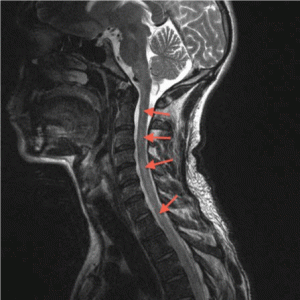
There are no specific diagnostic criteria for drug-induced lupus, but certain immunologic features of drug-induced lupus help distinguish it from other autoimmune diseases. Patients with drug-induced lupus typically display anti-histone antibodies, which are present in > 95% of cases. When associated with TNF antagonists, anti-double-stranded DNA antibodies are usually elevated as well. Patients with drug-induced lupus can have a variety of systemic symptoms, including fever, myalgias, rash, arthralgias, arthritis, and serositis.
Hematologic abnormalities and more severe manifestations, such as kidney disease and CNS involvement, are uncommon. Establishing the diagnosis is usually based on the detection of clinical manifestations consistent with autoimmune disease while on a drug known to cause drug-induced lupus, which resolve within a short period after discontinuation. The presence of suggestive serologies may also be helpful.
This is the first report of etanercept-induced lupus presenting as an isolated pleural effusion. Fortunately, as demonstrated in this and other reports, drug-induced lupus associated with anti-TNF agents is reversible with withdrawal of the offending drug. Making an accurate diagnosis can be difficult because pleural effusions may be erroneously attributed to the primary inflammatory disease. Given the variable presentations associated with anti-TNF agent-induced lupus, clinicians should be aware of this adverse effect in order to maintain a high index of suspicion.
Male sexual dysfunction

Apart from the effect of chemotherapy on spermatogenesis, many men being treated for Hodgkin’s disease develop sexual dysfunction. Half of the men in one study reported a decrease in libido at the time of diagnosis but this group increased to over 80% during therapy. This may be a consequence of the stress associated with the diagnosis of cancer, although only 10% of men were impotent before therapy commenced. Alternatively, the unpleasant systemic side effects of chemotherapy are likely to lead to a reduction in interest in sexual relations.
Adult women
In contrast to the situation in men, ovarian function does not appear to be adversely affected by Hodgkin’s disease before treatment. The ovarian response to chemotherapy depends on the age of the patient and the type and dose of treatment. In a long-term follow-up study of 28 women treated using the MVPP regimen, 22 became amenorrhoeic with associated oestrogen deficiency. In this group of patients, the ovarian damage was thought to be permanent,
i.e. the patients had become menopausal.
Influence of duration of treatment – health and care medications online from Canada here. Normal ovarian function was retained in 24% of patients receiving six cycles of MVPP chemotherapy but only in 5% of patients who needed seven or more cycles. All patients who received 12 cycles of chemotherapy developed ovarian failure irrespective of age.
Influence of age. Analysis of the effects of patient age and duration of therapy in one study showed that a third of 16 patients who were less than 29 years old developed ovarian failure in response to MVPP therapy for Hodgkin’s disease. This increased to 84% in a group of 25 patients who were 30 years or older. Horning et al. calculated the probability of retaining regular menstruation in women in relationship to age and modality of treatment. The association of chemotherapy and total lymphoid irradiation was more likely to result in ovarian dysfunction than chemotherapy alone. Following chemotherapy alone, a 20-year-old woman had nearly an 80% chance of regular periods after treatment. However this decreased to only approximately 30% in a 30 year old. The obvious correlation of this is that the chances of pregnancy are severely reduced if menstruation is irregular or if the patient becomes amenorrhoeic. Cheap impotence medications online from Canadian health and care mall
It is probable that ovarian damage occurs even in women who do not become amenorrhoeic during therapy. This is manifested by an earlier menopause than would be anticipated naturally. This phenomenon is also age related so that ovarian failure occurred within 1 year of cessation of therapy in all patients over the age of 38 years, whereas in younger patients there was a gradual decrease in menstrual frequency over a period of several years (Schilsky et al., 1981). Therefore, age, number of cycles of treatment and regularity of menstruation can all be used to try to predict the chances of future fertility in women being treated for Hodgkin’s disease.
Ovarian failure obviously prevents the possibility of future conception, but there are more immediate effects that can also be distressing. These are the typical menopausal symptoms, the commonest of which is hot flushes. Many young women find these embarrassing. Low oestrogen levels are also associated with a reduction in vaginal lubrication during coitus and a thinning of the vaginal epithelium, both of which contribute to painful intercourse. It is not surprising that many women experience a profound change in their sexual relationships following ovarian failure induced by chemotherapy: 70% of women claimed to have little or no libido when followed for a mean time of 3 years after combined chemotherapy. It has been estimated that the rate of breakdown of couples in which the woman has developed ovarian failure between the ages of 25 to 30 is four times greater than in the general population.
INJECTING
Injectors
What length of needle should I use on my insulin pen?
There are several lengths of needle available today ranging from 5 mm to 12.7 mm. As a rule, they are used as follows:
- the 5 or 6 mm needle for children and thin to normal weight adults without a lifted skin fold (this means injecting straight into the skin without pinching it first);
- the 8 mm for normal weight adults with a lifted skin fold (loosely pinched);
- the 12 or 12.7 mm needle for overweight adults also with a lifted skin fold.
Ask your healthcare professional for the needle length and injection technique the most appropriate for you.
I am partially sighted. What pens or syringes are available for people like me, or for people who are blind? Are there any gadgets that would help me with my injections?

Most visually impaired people are advised to use an insulin pen rather than a syringe because you do not need to draw up insulin or check for air bubbles. The dialling mechanism usually has a distinctive clicking sound which reassures you that you have taken the correct dose. It is quite easy to use once the technique has been mastered, and offers a good choice of different types of insulin. This should be discussed with your physician or diabetes specialist nurse. There is a section Insulin pens earlier in this chapter.
Novo Nordisk produces a device called Innolet that might well suit you. It is a disposable insulin pen with a large dock-like dial and a loud clicking sound with each unit dialled. It has raised spots at every 5 units marked. It also has a ‘rocker’ that allows you to rest the device on your skin before moving the needle forward to inject. It is easier to hold as it has a large grip.
Where should I keep my supplies of insulin?
Stores of insulin should ideally be kept in a refrigerator, but not in the freezer or freezing compartment. The ideal storage temperature is between 2° and 8°C. Below 0°C insulin is destroyed, and from 30°C upwards, insulin activity progressively decreases. If you do not have a fridge, then insulin may be stored for about a month at room temperature but keep it away from sources of direct heat such as radiators and strong sunlight. Many people prefer to keep their insulin bottle and/or their insulin pen that is in current use at room temperature as it may make the injection more comfortable (cold insulin increases the pain of the injection).
Should I wipe the top of the insulin bottle or insulin cartridge with spirit before use?
It is generally accepted that it is not necessary to clean the cartridge or insulin bottle top before use.
Dapsone inhibits local production of toxic reactive oxygen species, myeloperoxidase, and elastase, but this seems unlikely as a principal mode of action because the clinical response to dapsone is characterized by decreasing the neutrophil numbers.) Other investigators have shown that dapsone may impair neutrophil chemotaxis by interfering with activation of adhesion molecule CD11b/CD18 in vitro. However, this seems to require a higher concentration of dapsone than therapeutic levels measured in vivo. The concentration of dapsone we used in the present study is within the ranges required for therapeutic serum levels of 0.5 to 5 mg/mL. We found that the lower concentration of dapsone of 0.3 mg/mL inhibited LPS-induced IL-8 secretion, and this effect was not due to cell toxicity as measured by the number of viable cells.

Effect of dapsone
Schmidt reported that dapsone, in a therapeutic concentration, inhibited the bullous pemphigoid IgG-mediated IL-8 release from cultured normal human epidermal keratinocytes and that dapsone did not depress basal IL-8 level. These data are similar to the present results using NHBE cells. It also has been reported that dapsone decreases production of tumor necrosis factor a and IL-8 in peripheral blood mononuclear cells following LPS stimulation.
Effect of dapsone on LPS-induced NF-kB p65 phosphorylation. Growth factors were withdrawn from the culture medium 24 h before LPS or dapsone exposure. The threonine phosphorylation of NF-kB p65 was measured by Western blotting. The band intensity was calculated with National Institutes of Health Image J software. A, LPS 10 mg/mL significantly phosphorylated NF-kB p65 up to 2 h, and this was inhibited by dapsone 1 mg/mL. B, Dapsone inhibited LPS-induced NF-kB p65 phosphorylation, and this was dose dependent. Data are presented as mean ± SE from more than three independent experiments. *P < .05. **P<.01 compared with control subjects (LPS —, dapsone —, at each time). #P < .05. ##P < . 01 compared with LPS alone. NF-kB = nuclear factor-kB. See Figure 2 legend for expansion of other abbreviation.
Has the Doubter put in an appearance yet, claiming that Undoing the past can’t possibly relieve asthma symptoms? Has he insisted that you be logical, use good common sense, and look at this from a scientific point of view? Wonderful! According to a recent study on the effects that writing about stressful experiences has on the symptoms of asthma, he hasn’t a leg to stand on. This study used writing instead of imagery, yet the results are similar — including the statistics. 
Researchers asked patients to draw on their inner beliefs, thoughts, and feelings about a past event and to experience them within a creative context. According to this controlled clinical trial, thirty-nine asthma patients completed an experiment in which they wrote about the most stressful event of their lives. They did this for twenty minutes on three consecutive days a week for one week and were evaluated at two weeks, two months, and four months after treatment. Starting at two weeks, 47 percent of the patients who were treated showed clinically relevant changes in lung function, as compared with changes of 24 percent in the control group.
This rigorous study, conducted at the State University of New York, Stony Brook, School of Medicine by Dr. Joshua M. Smyth, is the first to prove that writing about stressful life experiences improves physician ratings of disease severity and objective physiological markers. While participating patients wrote about their most stressful experience, control group patients wrote about their daily activities. All were asked to write continuously, without regard for spelling, style, or other artistic or editorial concerns, and were signaled to stop after twenty minutes. They could write about one topic for three sessions or could move from one topic to another. None of the work was discussed with staff or with other participants in the study. Most often, they wrote about deaths of loved ones, serious relationship problems, disturbing events of childhood, or occasionally of seeing or being involved in a major disaster.
Those who decide to use this technique must be willing to go the course: this means to write for the full twenty minutes, for three days, about something that matters, something really distressing, not just the events of the day. As Dr. Smyth observed, and as the Awfulizer will surely point out, this can be painful. Yet its value is enormous. By writing about the stress or trauma, you bring to the surface emotions and memories that may have been stuck inside you for years, and you expel them. This of itself is a kind of exorcism.
Based on follow-up venograms, the rate of thrombus regression plus changes in clinical symptoms were similar in both groups. There was a trend for more thrombus progression with ximelagatran than with dalteparin (8% and 3%, respectively), but this difference was not statistically significant. The rates of bleeding were similar in both treatment groups. Building on this information, a phase III placebo-controlled, blinded trial comparing oral ximelagatran monotherapy (36 mg twice daily) for 6 months with enoxaparin therapy (1 mg/kg subcutaneously twice daily) followed by warfarin therapy (in doses sufficient to produce an INR of 2 to 3) for 6 months has recently been completed. 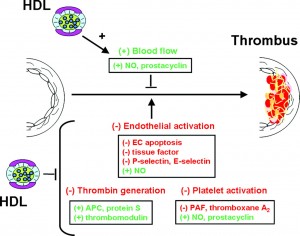
A total of 2,489 patients with venous thromboembolism were entered into the trial, with 1,249 randomized to receive ximelagatran and 1,249 randomized to receive enoxaparin followed by warfarin. The primary end point, objectively documented recurrent venous thromboembolism, occurred in 2.1% and 2.0%, respectively, of those randomized to receive ximelagatran or enoxaparin/warfarin, a difference that was not statistically significant. Major bleeding occurred in 1.3% and 2.2% of those patients randomized to receive ximelagatran or enoxaparin/warfarin, respectively, a difference that was not statistically significant. The all-cause mortality rates were 2.3% and 3.4%, respectively, in the ximelagatran and enoxaparin/warfarin groups.
This study suggests that therapy with oral ximelagatran is as effective and safe as conventional anticoagulation therapy with low-molecular-weight heparin followed by warfarin for the initial treatment with Generic viagra australia of patients with venous thromboembolism. Unlike low-molecular-weight heparin, ximelagatran can be given orally, and, in contrast to warfarin, ximelagatran does not require anticoagulation monitoring. Consequently, ximelagatran is more convenient to administer than conventional treatment.
Ximelagatran also has been evaluated for the prevention of recurrent thrombosis in patients with venous thromboembolism. The THRIVE III trial randomized 1,233 patients who had completed a 6-month course of anticoagulant therapy for the treatment of venous thromboembolism to receive ximelagatran (24 mg twice daily) or placebo for an additional 18 months. Recurrent venous thromboembolism, the primary end point, occurred in 12 patients who had been randomized to receive ximelagat-ran and 71 who had been randomized to receive placebo (hazard ratio, 0.16; p < 0.001). Major bleeding occurred in six patients who had been treated with ximelagatran and five patients who had been treated with placebo, and there were no incidents of fatal or intracranial bleeding.
Atrial fibrillation. Ximelagatran has been compared with warfarin in the treatment of patients with nonvalvular atrial fibrillation. In the Stroke Prevention Using Oral Thrombin Inhibition in Atrial Fibrillation (SPORTIF) II trial, 257 patients were randomized to receive one of three doses of ximelagatran (20, 40, or 60 mg twice daily) or warfarin (in doses sufficient to produce an INR of 2.0 to 3.0).
Further, this inhibitory effect was dose dependent (Fig 7B) (P = .16 for dapsone 0.3 mg/mL and P < .01 for dapsone 1 and 10 mg/mL), but 0.1 mg/mL DEX decreased this by ^40% (P < .05). LPS 10 mg/mL increased IL-8 mRNA level more than fivefold of control (P< .001). Dapsone at 1 mg/mL and 10 mg/mL significantly inhibited LPS-induced IL-8 mRNA overexpression (P < .05 for each). DEX at 0.1 mg/mL also inhibited this (P < .01).
Effect of Dapsone on LPS-Induced Phosphorylation of MAPKs
MAPK signaling are important pathways in the synthesis of IL-8. We evaluated the effect of dapsone on LPS-induced phosphorylation of ERK1/2, p38, and JNK in NHBE cells. LPS at 10 mg/mL significantly phosphorylated ERK1/2 at 1, 4, and 24 h (P < .05 for each) but not p38 and JNK (Fig 5). Dapsone 1 mg/mL inhibited LPS-induced ERK1/2 phosphorylation at 1 h (P < . 05), although this effect disappeared after 4 h. We then assessed the effect of PD98059, a selective cell-permeable MEK inhibitor Viagra Australia. As shown in Figure 6, LPS dose dependently increased ERK1/2 phosphorylation and IL-8 secretion, and 20 mM 2′-amino-3′-methoxyflavone (PD98059) abolished 10 mg/mL LPS-induced ERK1/2 phosphorylation. However, this concentration of PD98059 did not inhibit IL-8 secretion.
Temporal effect of dapsone on LPS-induced mitogen-activated protein kinase activation over 24 h. Growth factors were withdrawn from the culture medium 24 h before LPS or dapsone exposure. Threonine and tyrosine phosphorylation of ERK1/2, p38, and JNK was measured by Western blotting. The band intensity was calculated with National Institutes of Health Image J software. LPS 10 mg/mL increased the ratio of p-ERK1/2/ERK1/2, but not p-p38/p38. P-JNK was not detected. Dapsone 1 mg/mL inhibited LPS-induced ERK1/2 phosphorylation at 1 h, but not at 4 and 24 h. Data are presented as mean ± SE from more than three independent experiments. *P < .05 compared with control subjects (LPS — and dapsone — at each time). #P < .05 compared with LPS alone. ERK = extracellular-regulated protein kinase; JNK = c-Jun NH2-terminal protein kinase; p = phospho; SAPK = stress-activated protein kinase. See Figure 2 legend for expansion of other abbreviation.